

Choky and Roky would spend some time together and apart in the temples of the free dome, and in the surrounding sections, avoiding and conducting business and celebrations. Meanwhile, Eri, along with her Whoman commander, had arranged her departure from the market as soon as she updated her endodermic microprocessor with the latest income. They distribute survival drugs to the various traders of the center they produce in their homeostasis, as well as a few remnants of Earth that they fish with difficulty.

She would end with the delivery phase and, exchanging scents with the common handler, would complete a process for five thousand coins, a significant amount in today’s conditions, where goods are not hard to find, because their production requires the participation of almost everyone.
She had become accustomed to seeing her commander stay behind, leaving her to carry five hundred less coins each time. He always happier, returns with his airtight wooden car after a few Firsts always, and she manages to return alone through dangerous tunnels and bridges of the time vacuum.
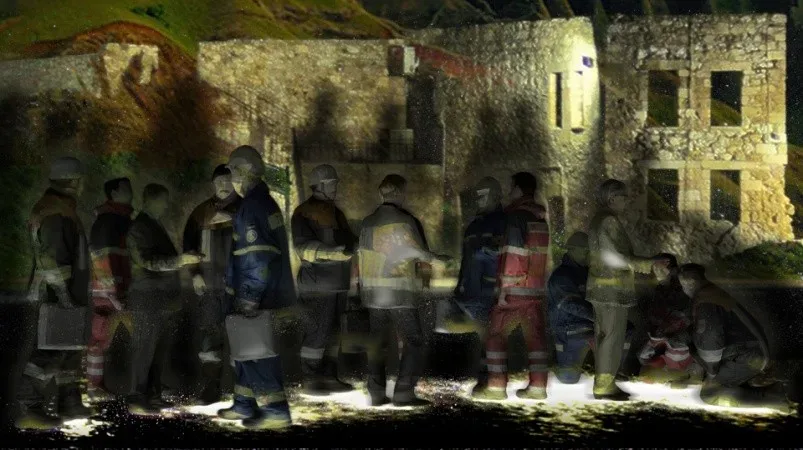
She leaves a crowded place, divided into two distinct sectors, the familiar black and the exotic white market. The main distinction between them lies in the tax nature, as always and everywhere, of the goods and services offered. However, the ramifications of this situation are what are interesting and offer opportunities to those who operate usually in one of the two sectors.
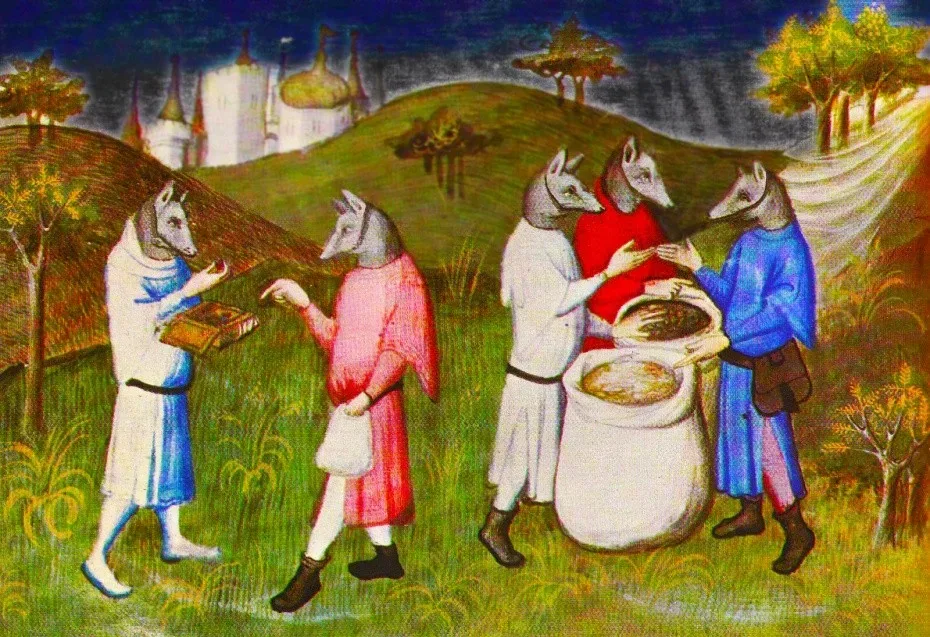
At this time, there is wealth, and so it seems that autonomy and self-determination have been achieved at first glance. The indeterminate inter pieces product is soaring, and prices are plunging. Barter consumption has increased, all investments have been washed away, while public spending on goods and services has been equalized with net exports minus imports. Nevertheless, a long walk through the two markets shows that in the days of the first fifty years post sections, a high degree of schizoid paradox has been established.
In the peculiar physical and organic beauty of the black market, one encounters examples of agritecture, integrated into the wild nature in a mild and gentle way. Here, nature sets laws that society breaks so that there is no need for the implementation of internal security measures. The general uninhibited state of free morals and rules comes into agreement with nature but is in great disagreement with the practices of the white market, which, although comfortable with segregation, protests and lately demands reforms.
There, correspondingly, society sets laws and structures linear and hard forms, sharp and aggressive, extremely technological, with carefully tended gardens on promontories, recesses, and roofs. There is such a strong presence of insecurity in high employment rates that it responsibly guarantees smooth transportation, construction, and transactions, but irresponsibly suppresses, robbing, committing many times barbarities.

The balance before the first world war in the Meta-age hangs by a thread of a spider’s web, and no one seems to worry. The ultimate goal of all, of course, remains the trade of Whomans and their successful taxation, something that reinforces another thread of the thread. The majority of them in the legal population and on ships in the shallows, after all, concerns dog trainers, remnants fishermen, and agrotects, so they offer and are offered, respectively, for love or dog training, remnants or Earth antiques, and survival drugs or nutritional supplements. Precious services and products worthy of protection, taxation, transportation, and robbery, if nothing else.